
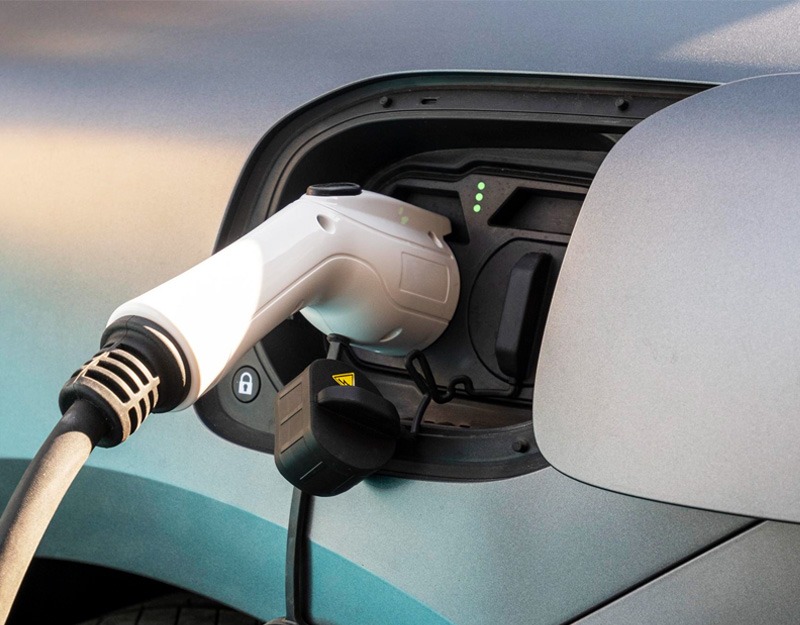
As electric vehicle adoption continues to grow across Saudi Arabia, many EV owners are choosing a Tesla home charger because of the convenience, efficiency, and reliability it offers. Beyond fast and dependable charging, proper installation and usage can also help maximize battery lifespan and protect your vehicle battery warranty. In this guide from Current Power, you’ll learn how the system works, how to install it correctly, and the best practices for preserving your vehicle battery warranty over the long term.
What Is a Tesla Home Charger and How Does It Work?
A Tesla home charger is one of the most popular EV charging solutions available today. It can be permanently mounted at home or carried with the vehicle, allowing drivers to connect their cars directly to the electrical grid. The charger converts alternating current (AC) from the household supply into the direct current (DC) stored in the vehicle’s battery.
Tesla offers three primary charging solutions:
| Device | Key Features | Supported Vehicles |
| Fixed Wall Connector | Practical design with high charging efficiency | Tesla |
| Mobile Connector | Portable, faster charging capability, Wi-Fi connectivity, and remote updates | Tesla |
| Universal Wall Connector | Charges Tesla and many other EV brands with similar speed and efficiency | Tesla and most other EVs |
- A Tesla home charger connects directly to the vehicle’s charging port.
- The charger works in coordination with the Battery Management System (BMS) to ensure safe operation and deliver charging speeds appropriate for the home’s electrical capacity.
- Charging sessions can also be scheduled to take advantage of off-peak hours while allowing users to monitor energy consumption with ease.
Check our guide on electric vehicle charger installation to learn more about residential installation requirements.
Does Installing a Tesla Home Charger Affect the Battery Warranty?
Installing a Tesla home charger does not affect your vehicle battery warranty when installation is completed correctly and according to Tesla’s approved guidelines.
How to Protect Your Vehicle Battery Warranty
- Hire a licensed technician. Improper installation by an unqualified individual can increase the risk of electrical faults or vehicle damage, which may not be covered under the battery warranty.
- Avoid unauthorized modifications to the charger’s internal wiring or factory programming.
- Use genuine equipment from approved manufacturers and avoid low-quality adapters or third-party cables that could cause damage not covered by the battery warranty.
Tesla provides a separate vehicle battery warranty that may extend up to eight years or a specified mileage limit ranging from approximately 160,000 to 240,000 kilometers, depending on the vehicle model. During the warranty period, Tesla may repair or replace the battery if its storage capacity falls below 70% due to a manufacturing defect covered under the battery warranty.
Requirements for Safe and Compliant Installation
Safe installation of a Tesla home charger requires the following:
- A dedicated 240V electrical circuit with a 40–60 amp breaker.
- Approved wiring and cabling.
- A reliable grounding system.
- Sufficient electrical capacity to support efficient charger operation.
- Careful selection of the installation location near the parking area while protecting the charger from direct sunlight and excessive heat.
- Installation by a qualified technician to ensure compliance with approved standards.
- Verification that the Tesla home charger is configured within the maximum amperage supported by the circuit breaker.
- Internet connectivity for downloading software updates and managing charging schedules through the Tesla app.
Common Installation Mistakes That May Affect Warranty Coverage
Incorrect installation of a Tesla home charger can damage equipment and potentially impact warranty protection. Common mistakes include:
- Hiring an unapproved installer for a Tesla home charger installation.
- Using a standard outlet instead of the approved high-speed Tesla wall connector.
- Ignoring circuit breaker limitations, charger settings should not exceed 80% of the breaker’s rated capacity.
- Using poor-quality or non-compliant cables, which can lead to voltage drops or cable overheating.
- Failing to account for environmental conditions. Outdoor installations should use weather-resistant equipment and waterproof connections to prevent corrosion or electrical faults.
Consult EV charging specialists to ensure your Tesla home charger is installed safely and in accordance with manufacturer recommendations. Explore our article on the most common EV charging mistakes.
How to Choose a Qualified Installer
When selecting a technician to install a Tesla home charger, consider the following:
- Look for certified installers in your area and verify that they hold a valid electrical license.
- Ensure they understand local safety regulations and electrical codes applicable within Saudi Arabia.
- Confirm that they carry professional liability insurance to cover installation-related issues.
- Request a detailed quotation before the installation and arrange a site inspection to avoid unexpected costs later.
- Review previous customer feedback to evaluate service quality and reliability.
Best Practices for Preserving Battery Health After Installation
Once your Tesla home charger is installed, these practices can help maintain battery performance and support your battery warranty:
- Keep the battery charge level between 20% and 80% for everyday use.
- Avoid charging to 100% unless preparing for a long-distance trip.
- Schedule charging sessions using Tesla’s Scheduled Departure feature to optimize battery temperature and reduce unnecessary energy consumption.
- Leave your Tesla connected to the charger while parked so the vehicle can use grid power for battery heating or cooling instead of drawing energy from the battery itself.
- Avoid fully discharging the battery below 20%, which can increase stress on battery cells and potentially affect long-term performance associated with the battery warranty.
- Prioritize AC charging for daily use and reserve DC fast charging for road trips or situations requiring rapid charging.
When Should You Service a Tesla Home Charger?
A Tesla home charger generally does not require intensive routine maintenance. However, the following practices can help ensure optimal performance and continued protection of your battery warranty:
- Clean the charger periodically after disconnecting it from power. Wipe the cable and connector carefully and avoid harsh cleaning products.
- Inspect the charging cable for visible wear, cracks, or bends.
- Check that the connector remains clean and free of dust or moisture.
- Use the Tesla app to troubleshoot issues remotely and confirm that the latest software updates are installed.
- Contact technical support if any malfunction is detected to prevent damage that could affect charging performance or the battery warranty.
- Schedule periodic inspections by a qualified specialist to verify the condition of electrical connections and maintain safe power delivery.
In a nutshell, a growing number of EV drivers across Saudi Arabia rely on a Tesla home charger, supported by the Kingdom’s expanding electric mobility sector and increasing availability of certified charging providers. Current Power helps individuals and businesses implement complete EV charging solutions, from consultation and technical assessment to installation, commissioning, and ongoing maintenance, while helping customers protect their vehicle battery warranty through proper charging practices.
Contact Current Power for expert EV charging solutions, professional installation, and long-term support.
Frequently Asked Questions About Tesla Home Chargers
Tesla offers a dedicated vehicle battery warranty that can extend up to eight years or a specified mileage limit, depending on the vehicle model. Using a Tesla home charger does not affect the vehicle battery warranty as long as installation follows approved guidelines and genuine equipment is used.
Improper installation or unauthorized modifications to the charger or electrical system may result in faults that are not covered under the vehicle battery warranty. Always use a qualified and certified installer.
This depends on the charger model. Certain versions, such as the Universal Wall Connector, can charge many non-Tesla electric vehicles in addition to Tesla models.
For daily driving, maintaining a charge level between 20% and 80% is generally recommended. Charging to 100% should be reserved for long trips.
A Tesla home charger typically requires minimal maintenance. Regular inspection of cables and connections, periodic cleaning, and keeping software up to date are usually sufficient to maintain safe and reliable operation.