
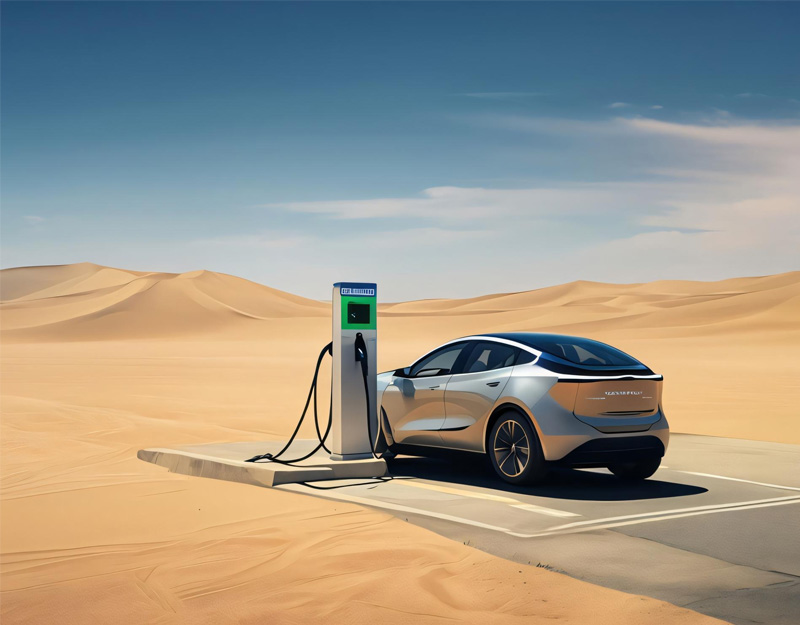
Charging is no longer a small technical detail. It now shapes the buying decision and daily driving. In Saudi Arabia, the future of electric cars depends on reliable charging infrastructure, safe installation, smart management, and access in homes, offices, commercial centers, and public locations. As Vision 2030 guides the Kingdom toward a more sustainable economy, the future of electric cars becomes part of a wider system that connects energy, technology, investment, and user experience. Property owners should plan early, because the future of electric cars needs a charging network that makes daily use safe and convenient.
The Future of Electric Cars in Saudi Arabia Between Growth and Rapid Expansion
- The Saudi market is showing growing interest in electric vehicles as sustainability awareness increases and more options become available.
- The future of electric cars is linked to charging stations placed across cities, residential communities, offices, shopping centers, and key roads.
- When charging becomes easier to access, the future of electric cars becomes closer to normal daily use.
- Rapid growth requires providers who can assess the site, calculate electrical loads, choose the right charger, and install safely.
- Property owners can view charging points as a valuable service that enhances the location and supports the future of electric cars by providing a smoother user experience.
The Future of Electric Cars and the Role of Vision 2030 in Supporting Sustainable Transformation
- Vision 2030 supports efficient, sustainable solutions, and the future of electric cars aligns with this direction by advancing a cleaner transport sector.
- Sustainable mobility is not only about the vehicle. The future of electric cars requires a strong charging network, intelligent power management, and dependable operation services.
- Charging stations support smart cities by tracking energy use, organizing sessions, and managing power.
- Early planning helps companies follow market trends instead of responding late with higher costs.
- Before investing in a charging station, a site assessment is a practical first step, because the future of electric cars depends on real electrical capacity and a clear expansion plan.
The Future of Electric Cars and the Importance of Developing Charging Infrastructure in the Kingdom
- Charging infrastructure allows the future of electric cars to grow because drivers need to know that charging is safe and easy to use.
- The Kingdom needs a balanced mix of home, workplace, commercial, and fast road charging, so the future of electric cars can serve different mobility patterns.
- Not every site needs the same solution. Home chargers differ from public chargers, and fast charging has different requirements from slower AC charging.
- Smart chargers that support remote management help reduce downtime, monitor consumption, and manage users.
| Site type | Suitable solution | Value for users or investors |
| Homes and villas | AC home charger | Convenient overnight charging |
| Offices | Multiple AC chargers | A useful service with better load control |
| Shopping centers | AC and DC depending on traffic | Better customer experience |
| Roads and service stations | Fast DC chargers | Shorter waiting time |
| Hotels and real estate projects | Integrated scalable solutions | Future-ready property value |
The Future of Electric Cars and the Impact of Charging Stations on User Experience
- User experience is what turns the future of electric cars into a confident personal decision, because drivers need to know where to charge and when charging ends.
- Charging speed affects satisfaction, but clear instructions, safety, easy payment, and service stability also matter.
- Smart stations can create a more organized experience by allowing users to monitor sessions and check charger status.
- In commercial locations, a charging station can increase the time visitors spend on site, as drivers can charge while shopping or working.
- If your location receives regular visitors or employees, preparing a charging point can support the future of electric cars and improve your facility’s image.
The Future of Electric Cars and the Challenges Facing Charging Infrastructure
- One challenge is electrical readiness, as some sites need panel upgrades, wiring, or protection systems before installation.
- The future of electric cars needs solutions that can handle local operating conditions, including heat, usage intensity, and changing demand.
- Installing several chargers without load assessment can create pressure on the internal electrical network, so load management becomes essential.
- Investors need to define the operating model early. The station may be free, paid, private, or open to the public, and this affects the system and management method.
- Specialized consultation can prevent mistakes, especially when the station serves multiple users or needs future scalability.
The Future of Electric Cars and Expected Investments in Smart Charging
- The charging sector is moving toward smarter solutions, which means the future of electric cars will depend on monitoring, payment apps, usage data, and preventive maintenance.
- Charging stations create investment opportunities for shopping centers, hotels, residential communities, service stations, and parking operators.
- The return is not always limited to charging fees. It can also come from better customer experience and stronger site value.
- Every successful project starts with clear questions: who will use the chargers, how long will vehicles stay, what capacity is available, and how many chargers are needed now and later.
- As the market expands, the future of electric cars will become more connected to companies that provide complete solutions, including supply, installation, operation, and maintenance, which strengthens the future of electric cars.
The future of electric cars in Saudi Arabia is an opportunity to build a more sustainable transport sector, but it requires reliable charging infrastructure. The right charger, site assessment, load management, and maintenance determine long-term success. As the market shifts, the future of electric cars will be stronger in locations that prepare early. Current Power helps implement integrated charging solutions, from consultation and assessment to installation, operation, and maintenance.
Contact Current Power for a technical consultation that guides you to the best charging solution for your site.
Frequently Asked Questions About the Future of Electric Cars
Drivers need easy and safe charging before relying on electric vehicles every day. When stations are available and organized, the future of electric cars becomes more practical for users.
An AC home charger is usually suitable for daily use, especially for overnight charging. Checking electrical capacity before installation helps ensure safe operation.
Companies with regular employees and visitors may benefit from charging stations because they support the future of electric cars and strengthen the facility’s image.
Technical consultation is important when installing more than one charger, choosing a fast charger, or when the site’s electrical capacity is unclear.