
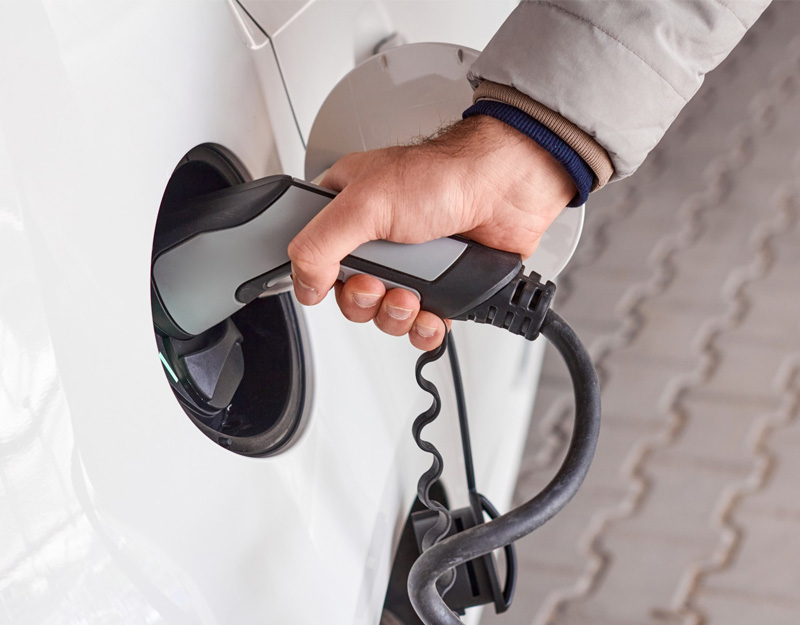
EV charger installation requires careful planning before starting the installation process to ensure charging stability and safe electrical operation. Some users assume that installing a charger simply starts by connecting it to the power supply at the charging location. In reality, the process requires verifying several technical requirements related to electrical loads, protection systems, connection quality, and proper site selection before installation begins. Continue reading to learn the fundamentals of EV charger installation and avoid technical issues in the future.
What Does EV Charger Installation Mean?
The term EV charger installation refers to preparing the proper electrical infrastructure before installing and operating the charger. This includes electrical connections, circuit breakers, protection systems, cables, and distribution panels.
The requirements for EV charger installation vary depending on:
- The charger type.
- Required charging capacity.
- Site conditions.
- Number of chargers to be installed.
- Building electrical capacity.
For this reason, proper EV charger installation is essential to maintain charging stability and reduce future electrical load issues or operational failures.
Why Is Advance Planning Important Before EV Charger Installation?
Proper planning helps prevent many technical issues that may appear after installation, especially in commercial charging locations or projects involving multiple chargers.
Some of the main benefits of planning include:
- Determining the appropriate charging capacity for the site.
- Ensuring the electrical infrastructure can support additional loads.
- Selecting the most suitable installation location.
- Reducing future modification costs.
- Improving long-term operational efficiency.
- Simplifying future maintenance and expansion work.
Main Electrical Requirements Before EV Charger Installation
Before installation begins, the electrical infrastructure at the charging location must be evaluated carefully. The main EV charger installation requirements include:
- A stable electrical power source.
- Circuit breakers compatible with charger capacity.
- Cables capable of handling the required electrical loads.
- A suitable grounding system.
- Distribution panels capable of supporting additional electrical loads.
In some cases, part of the electrical infrastructure may require upgrades before charger installation to ensure safe operation.
How Are Electrical Loads Calculated for Charging Stations?
Electrical load calculation is one of the most important steps in EV charger installation because it helps determine the electrical capacity required to operate the charger without affecting other systems at the site.
Electrical load calculations typically consider:
- Charger capacity in kilowatts.
- Number of chargers installed at the site.
- Daily operating hours.
- Other electrical loads inside the building.
- Whether the location is residential or commercial.
Accurate load calculations reduce the risk of breaker trips or overheating electrical connections while improving overall operational safety and efficiency.
The Importance of Protection Systems and Grounding in EV Chargers
Protection systems and grounding play a critical role in protecting the electrical system, including the charger itself. These systems typically include:
- Overload protection breakers.
- Electrical leakage protection systems.
- Voltage surge protection.
- Grounding systems.
Proper grounding helps reduce electrical shock risks and protects equipment from failures caused by voltage fluctuations or internal short circuits.
The Best Location for EV Charger Installation to Ensure Safety and Efficiency
The installation location directly affects charger efficiency, operational stability, and user safety.
The ideal charging location should be:
- Well ventilated.
- Away from direct sunlight.
- Close to the electrical distribution panel to reduce unnecessary cable runs.
- Near the vehicle parking area.
- Protected from moisture and water exposure.
- Spacious enough to allow maintenance and inspection work when needed.
The Role of Cables and Distribution Panels in EV Charger Installation
Charging efficiency depends heavily on the quality of cables and electrical distribution panels used during EV charger installation. Using non-certified cables or unsuitable distribution panels may lead to several issues, including:
- Overheating electrical connections.
- Reduced charging efficiency.
- Frequent breaker trips.
- Electrical instability at the charging location.
It is important to select cables capable of handling expected electrical loads and verify that the distribution panel supports both current charger capacity and future expansion requirements.
What Safety Standards Are Required for EV Charger Installation?
Several electrical safety standards must be followed during EV charger installation to ensure safe operation and reduce the risk of future failures, including:
- Using certified electrical components.
- Installing suitable protection systems and breakers.
- Verifying grounding quality.
- Inspecting electrical connections properly.
- Completing installation through a specialized provider.
A full system inspection is also recommended after installation to verify overall electrical system safety.
Contact a specialized EV charging company that provides professional charger installation services and smart charging solutions tailored to your site requirements.
The Importance of OCPP Protocol in Managing Smart Chargers
Modern smart chargers rely on advanced communication systems that allow remote charger monitoring and management. One of the most widely used systems is the OCPP protocol, which offers several operational advantages, including:
- Continuous charger monitoring.
- Remote charging session management.
- Energy consumption tracking.
- Faster fault detection.
- Integration of multiple chargers within one management system.
Read more about the OCPP protocol and its role in improving charging efficiency here.
Common Mistakes to Avoid During EV Charger Installation
Some of the most common mistakes during EV charger installation include:
- Installing chargers without calculating electrical loads.
- Using unsuitable or non-certified cables.
- Weak grounding systems.
- Installing chargers in poorly ventilated locations.
- Ignoring electrical protection systems.
- Relying on non-specialized technicians.
Professional EV charger installation significantly reduces the likelihood of these issues.
When Do You Need Routine Maintenance After Charger Installation?
Routine maintenance helps maintain charging efficiency and detect technical issues before they develop into costly or unsafe failures. EV owners are generally advised to schedule maintenance inspections regularly.
Maintenance services usually include:
- Inspecting cables and electrical connections.
- Verifying protection system performance.
- Testing electrical load stability.
- Updating systems and software.
- Checking ventilation and cooling efficiency.
Maintenance intervals vary depending on charger type, operating conditions, and daily usage hours.
How to Choose a Specialized EV Charger Installation Company
Many users prefer working with specialized companies during EV charger installation to ensure installation quality and reduce future operational issues.
When selecting an EV charging company, make sure it offers:
- Extensive experience in EV charging projects.
- A specialized technical team.
- Certified systems and electrical components.
- Fast technical response and maintenance support.
- Electrical inspection services before installation.
- Many users prefer working with specialized companies during electric vehicle charger installation to ensure installation quality and reduce future operational issues.
It is also recommended to work with companies experienced in both residential and commercial projects to ensure the proposed solutions match the site requirements.
Check this article to learn more about the most common EV charger failures and the reasons behind unexpected charging interruptions.
In a nutshell, Proper EV charger installation helps improve charging efficiency, reduce operational issues, and maintain long-term electrical stability, especially in locations expected to support multiple chargers in the future. Current Power provides integrated EV charging solutions across Saudi Arabia, including charger installation, maintenance, inspection, and technical support services designed to improve operational performance and reduce charging-related failures.
Contact Current Power team for professional EV charger installation solutions built around safety, efficiency, and long-term reliability.
Frequently Asked Questions About EV Charger Installation
Not always. Some locations may require electrical infrastructure upgrades depending on charger capacity, electrical network conditions, and the number of connected systems.
Grounding helps protect both the charger and the electrical system from electrical leakage and potential electrical faults.
Commercial charging locations often require higher electrical capacity, while residential chargers usually operate with lower electrical loads.
Maintenance schedules vary depending on charger type and operating conditions. However, regular inspections are recommended to maintain charging efficiency and electrical safety