
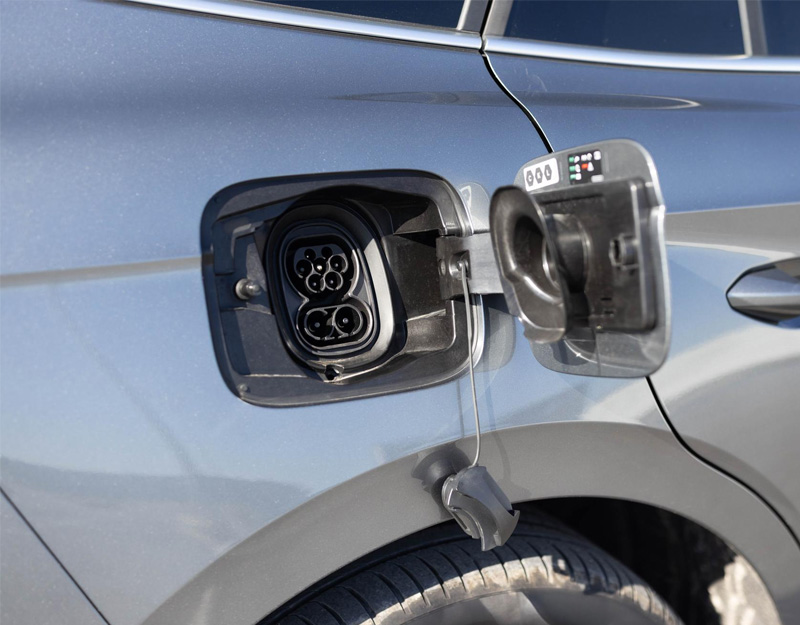
With the rapid expansion of charging infrastructure, many electric vehicle owners have started relying on the type 2 to type 2 charging cable as part of their everyday charging setup. This type of cable plays a key role in improving charging efficiency, particularly when it is properly matched with the vehicle.
Is a type 2 to type 2 charging cable suitable for all electric vehicles? Can it be used across multiple cars without issues? This guide walks you through what you need to know about the type 2 to type 2 charging cable, focusing on how it performs and how compatible it is with most vehicles in Saudi Arabia.
Type 2 to Type 2 Charging Cable: What It Is and How It Works
- The type 2 to type 2 charging cable operates according to the Type 2 (IEC 62196) standard, which is widely adopted across Europe and commonly used in Saudi Arabia. It is typically used for AC charging, whether at home or at public charging stations.
- In practice, the cable transfers energy between the charger and the vehicle based on specific technical standards that ensure both compatibility and safety. It regulates how much power is delivered and supports a gradual, controlled charging process based on the vehicle’s capacity.
- The cable itself has a direct impact on charging speed and overall efficiency. Even if you are using a high-capacity charger, performance can still be limited by the type 2 to type 2 charging cable, particularly if the cable is not suited to the setup or has experienced wear over time.
- This type of cable is most commonly used in homes and at public charging stations that provide a Type 2 socket without a fixed cable.
Type 2 to Type 2 Charging Cable: Types and Technical Specifications
Choosing the right type 2 to type 2 charging cable is not just about picking the first available option. Understanding its specifications makes a noticeable difference in daily use.
- Understand the difference between single-phase and three-phase cables.
Single-phase cables are generally suitable for home use, while three-phase cables are more appropriate for commercial environments or homes with more advanced electrical infrastructure. - Pay attention to current capacity.
These cables are usually available in 16A or 32A versions. Higher capacity can support faster charging, as long as both the charger and the vehicle are designed to handle it. - Choose the appropriate cable length.
A short cable may limit movement and flexibility, while an overly long cable can make storage and handling less convenient in everyday use. - Consider build quality and environmental resistance.e
It is important to select a type 2 to type 2 charging cable that can handle heat and dust, especially given the conditions in Saudi Arabia.
Type 2 to Type 2 Charging Cable: Compatibility with Different Electric Vehicles
One of the most common questions is whether the type 2 to type 2 charging cable works with all vehicles.
- Most modern European and Asian electric vehicles support Type 2 for AC charging, which makes this cable a practical and widely compatible option.
- Tesla vehicles in Saudi Arabia support Type 2 for AC charging and can use this cable without difficulty.
- Some imported vehicles follow a different standard, such as Type 1, which means a Type 2 to Type 2 charging cable will not be compatible.
- In general, the type 2 to type 2 charging cable meets the needs of most EV users in Saudi Arabia.
Read more about common EV charging mistakes and how to avoid them.
Type 2 to Type 2 Charging Cable: Key Advantages
Using a type 2 to type 2 charging cable offers several practical advantages:
- Wide compatibility with most electric vehicles.
- Easy to use at home and at public charging stations.
- A high level of safety, as the cable regulates communication between the charger and the vehicle.
- A practical design that makes it easier to carry and store.
Check this guide to learn more about EV chargers and the safest, most efficient options available.
Technical Comparison of Type 2 Charging Cables
| Standard | 16A Single Phase | 16A Single Phase | 32A Three Phase |
| Power Output | Up to 3.7 kW | Up to 7.4 kW | Up to 22 kW |
| Usage | Home | Advanced home use | Home / Commercial |
| Charging Speed | Slow | Moderate | Fast |
| Approximate Price Level | Low | Medium | High |
This table provides a clear comparison to help you select the most suitable type 2 to type 2 charging cable. These values apply to AC charging and may vary depending on the charger and the electrical setup.
When Do You Need a Different Cable?
There are situations where a type 2 to type 2 charging cable may not be the right choice:
- If your vehicle only supports Type 1 charging.
- If you rely on DC fast charging, which does not use this type of cable.
- If the charging station already has a fixed cable and does not require an external type 2 to type 2 charging cable.
Choosing the right type 2 to type 2 charging cable for your vehicle has a clear impact on charging performance, stability, and overall efficiency. Over time, the right choice helps maintain consistent performance and improves how energy is used. Hence, the cable should not be treated as a minor accessory. A properly selected type 2 to type 2 charging cable becomes an essential part of a reliable charging setup, contributing to a smoother and more dependable experience. Current Power provides complete solutions to help you choose the most suitable type 2 to type 2 charging cable, ensuring performance that aligns with your usage and expectations.
Contact Current Power to get tailored solutions that improve charging efficiency and support your long-term investment in your electric vehicle.
Frequently Asked Questions
- Can I use a Type 2 to Type 2 charging cable at any station with a Type 2 socket?
Yes, it can be used at stations that provide a Type 2 socket without a fixed cable. It is not needed at stations with built-in cables.
- I bought a cable, but charging is slow. Why?
In most cases, the reason is the cable’s capacity. If it is lower than the charger or vehicle capacity, it will limit the maximum charging speed.
- Do all Type 2 cables deliver the same performance?
Not exactly. Differences in current capacity and manufacturing quality can affect both charging speed and durability.
- Should I choose a longer or shorter cable?
This depends on your setup. A shorter cable works well when the parking spot is close, while a longer cable provides more flexibility when needed.
- Can the same cable be used for multiple vehicles?
Yes, as long as the vehicles support Type 2 charging.
- Does heat affect the cable?
Yes, especially in Saudi Arabia. It is best to choose a high-quality cable designed to handle high temperatures.
- Does the cable require maintenance?
It does not require regular maintenance, but it is a good idea to check it occasionally for any visible damage.
- Can a type 2 to type 2 charging cable be used with an adapter?
Yes, in some cases. However, using the correct cable directly is usually the more efficient option.
- Does the cable affect battery life?
It may do so, a well-matched cable supports stable charging, which helps maintain battery health.