
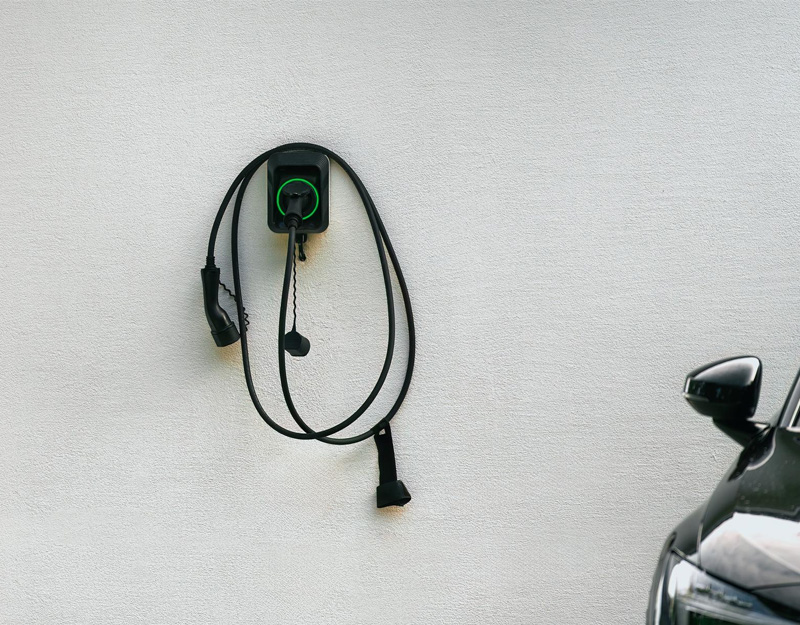
Owning an electric vehicle requires more than simply having a parking space. It requires a location well-equipped with the right infrastructure and electrical readiness to support the Kingdom’s transition toward sustainability. Is your home or workplace ready for this shift?
Proper EV charger installation plays an important role in delivering a seamless charging experience that eliminates any inconvenience. EV charger installation is not limited to connecting a unit to a power source. It involves assessing electrical capacity, analyzing load distribution, and ensuring full compliance with approved safety standards. Careful planning before ev chargers installation significantly reduces future charging issues and ensures long term operational stability.
Through this guide, we provide a complete overview of ev chargers installation in homes and businesses, explain how to install an EV charger professionally in residential settings, outline key selection criteria for qualified contractors, highlight common mistakes, and examine the long term return on investment.
The Importance of EV Chargers Installation in Homes and Businesses
Ev chargers installation at home or in the workplace transforms charging from a logistical concern into a routine in daily life.
Key benefits of ev chargers installation in residential properties include:
- Access to reliable overnight charging without relying on public stations.
- Safe and structured charging of electric cars at home.
- Full control over charging schedules to avoid peak hours.
- Reduced dependence on external infrastructure.
- Increased property value and future readiness.
However, ev chargers installation in homes requires evaluating the distribution panel capacity and verifying that the internal electrical network can handle the additional load without affecting other appliances. Proper home EV charging depends on this technical assessment.
In corporate life, ev chargers installation represents a strategic investment. The presence of charging points at business locations reflects a company’s commitment to sustainability and enhances its brand perception.
Benefits of ev chargers installation in commercial settings include:
- Demonstrating alignment with sustainable energy goals.
- Attracting EV driving customers.
- Extending customer dwell time, potentially increasing revenue.
- Supporting corporate social responsibility initiatives.
- Creating additional income opportunities in high-traffic locations.
- Strengthening competitive positioning.
Large scale ev chargers installation projects require detailed load management studies and structured energy distribution planning.
How to Install an EV Charger Professionally at Home
Before beginning ev chargers installation, all technical aspects must be reviewed, starting with available electrical capacity and vehicle requirements.
Electric vehicle charger installation typically follows these steps:
- Assess existing electrical loads.
- Verify the main breaker capacity before ev chargers installation.
- Determine the appropriate charger power based on battery capacity.
- Select a safe and accessible installation location.
- Use compliant electrical cabling.
- Install a dedicated protection breaker.
- Conduct comprehensive system testing after electric car charger installation.
Working with specialists in ev chargers installation ensures compliance with safety standards and reduces the risk of technical failures. Read more about selecting the best EV charger here.
Technical Considerations Before Project Execution
Before approving ev chargers installation, several critical factors must be evaluated:
- Available electrical supply capacity.
- Single-phase or three-phase connection.
- Grounding system compliance.
- Distance between panel and charger location.
- Potential for future expansion.
- Expected number of daily charging sessions
Proper planning of ev chargers installation minimizes unexpected costs and ensures operational stability.
Comparison Between Residential and Commercial Installation
| Criteria | Residential Installation | Commercial Installation |
| Charging Points | Typically one unit | Multiple units |
| Load Study | Limited | Detailed engineering assessment |
| Load Management | Basic | Integrated smart system |
| Infrastructure Requirements | Minimal | May require transformer upgrades |
| Revenues | Convenience and a prestigious life | Potential financial return |
This comparison highlights the increased complexity of ev chargers installation in commercial environments.
Common Mistakes During EV Chargers Installation
Avoiding the following errors increases project success:
- Proceeding with ev chargers installation without load analysis.
- Selecting a higher power capacity than required.
- Ignoring grounding and protection systems.
- Using non-compliant cabling.
- Failing to plan for expansion.
- Relying on uncertified technicians.
Such mistakes can result in repeated malfunctions or electrical network strain. Learn more about common mistakes in EV charging here.
Picking the Right Partner for EV Chargers Installation
Selecting the right provider for ev chargers installation is a decisive factor in project success.
Why choose Current Power?
- One of the leading companies in the Kingdom’s charging sector.
- 24/7 integrated support services.
- Strong customer experience track record.
- End-to-end project management from planning to post installation support.
- On-site inspection before technical consultation.
- Infrastructure readiness planning for residential, commercial, and governmental projects.
- Full compliance with national regulations and standards.
- Fast execution and nationwide service coverage.
Every ev chargers installation project begins with a site assessment to ensure power capacity aligns with operational demand.
Long Term Value of EV Chargers Installation
- Developing charging infrastructure is a strategic step that supports transportation transformation across the Kingdom.
- Ev chargers installation enhances site readiness for future expansion as electric vehicle adoption increases. It strengthens property market value and provides homeowners with operational flexibility without costly retrofits.
- In business environments, ev chargers installation enhances brand image and attracts sustainability conscious customers. Careful planning before ev chargers installation enables future unit additions without redesigning the entire electrical infrastructure.
- Early investment in ev chargers installation reduces unexpected costs and allows projects to adapt to regulatory and technological developments within the energy sector.
In a nutshell, ev chargers installation should be approached with technical awareness and a comprehensive understanding of current and future operational needs. Structured planning reduces corrective maintenance expenses and ensures safe, stable charging performance.
At Current Power , we deliver tailored ev chargers installation solutions based on detailed site analysis and strict adherence to technical standards, ensuring operational sustainability and a secure charging experience aligned with national objectives.
Frequently Asked Questions
- Do I need a permit for EV charger installation?
In most cases, installation is carried out by a certified provider to ensure compliance with specifications.
- How long does EV charger installation take?
Several hours for residential projects. It may take longer depending on the number of charging points required in commercial settings.
- Can the charger be installed in an outdoor parking space?
Yes, provided a weather-resistant unit is used, and installation follows safety standards.
- Do I need to upgrade the electrical panel?
EV charger installation may require breaker updates or increased supply capacity.
- Can the charger be relocated later?
Yes, installation can be performed again after evaluating the new site.
Contact Current Power experts.