
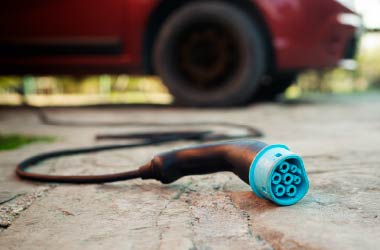
An Electric Vehicle Charger may suddenly stop operating at home or at public charging stations without showing any obvious warning signs. In many cases, users assume the issue is caused by a serious charger malfunction, while the actual cause may be far simpler than expected. Understanding the reasons behind Electric Vehicle Charger interruptions helps users respond to the issue quickly and reduce the likelihood of recurring failures in the future. Continue reading if you have experienced an unexpected charging interruption and want to understand the most common causes behind sudden charging failures and the most effective practical solutions.
What Causes an Electric Vehicle Charger to Stop Working Suddenly?
The reasons behind Electric Vehicle Charger interruptions vary depending on the charger type, usage conditions, and the electrical infrastructure at the charging location. Some of the most common causes include:
- Power outages or unstable electrical supply.
- Overheating of the charger or charging cable.
- Faults in cables or electrical connections.
- Activation of the charger’s built-in protection systems.
- Communication issues between the smart charger and the electric vehicle.
- Battery-related faults in the vehicle itself.
Charging usually stops automatically as a safety measure designed to protect both the charger and the vehicle from potential electrical damage.
How Can You Tell Whether the Problem Is from the Charger or the Electric Vehicle?
It is important to identify the source of the issue before requesting maintenance to avoid unnecessary delays. You can do this by:
- Charging another vehicle using the same charger if possible.
- Testing the vehicle with a different charger.
- Checking for error messages on the charger screen or mobile application.
- Verifying the stability of the electrical supply at the charging location.
If the issue continues, the fault may be related to the Electric Vehicle Charger itself or the connected charging cable.
Power Outages and Their Effect on an Electric Vehicle Charger
- Power interruptions or voltage fluctuations directly affect charging stability, especially in fast chargers or locations operating multiple devices simultaneously.
- Some types of Electric Vehicle Charger automatically stop charging when voltage instability is detected to protect internal electrical components from damage.
- In some cases, excessive electrical loads or weak connections may also lead to repeated charging interruptions.
Can High Temperatures Cause an Electric Vehicle Charger to Stop Working?
- High temperatures are one of the most common causes of Electric Vehicle Charger shutdowns, particularly during summer or in poorly ventilated charging locations.
- Modern chargers include built-in thermal sensors that automatically stop charging when temperatures reach unsafe levels to protect charging cables, electronic circuits, the vehicle battery, and charging ports.
- Chargers should always be installed in well-ventilated areas away from direct sunlight, especially in high-temperature environments.
Cable and Connection Problems and Their Impact on Charging
Using incompatible charging cables may cause an Electric Vehicle Charger to stop unexpectedly during charging sessions. Charging cables directly affect charging stability and overall efficiency.
Some of the most common cable-related issues include:
- Internal cable damage caused by repeated bending.
- Loose connector placement inside the charging port.
- Overheating electrical connections.
- Moisture or dust inside charging ports.
When Does an Electric Vehicle Charger Stop Due to Safety Protection Systems?
A smart Electric Vehicle Charger includes integrated protection systems designed to prevent electrical or thermal damage during charging by automatically stopping operation when:
- Internal temperatures become too high.
- Electrical loads exceed safe limits.
- Electrical leakage is detected.
- A short circuit or internal fault occurs.
- Voltage instability is detected.
Communication Issues in Smart Chargers Supporting OCPP
Some smart chargers rely on internet connectivity and cloud-based management systems that monitor charger performance and control charging operations. When communication issues occur, users may experience:
- Charging interruptions.
- Slow charger response.
- Failure to update charger status.
- Error messages appearing in the application.
In some cases, restarting the network or the charger itself may resolve the issue without technical intervention.
How Do System or Software Updates Affect Charger Performance?
Manufacturers regularly release software updates to improve Electric Vehicle Charger performance and address common technical issues. However, incompatible updates may lead to:
- Certain charger functions stopping unexpectedly.
- Slow response times.
- Communication errors.
- Repeated charger restarts.
Charging specialists recommend installing updates only through trusted sources after verifying compatibility with the charger model.
Causes of Charging Interruptions While Using DC Fast Chargers
DC fast chargers operating at high electrical capacities are often more sensitive to technical and thermal issues such as:
- High battery temperatures.
- Exceeding power limitations.
- Weak cooling systems.
- Communication issues between the charger and the vehicle.
- Electrical instability.
What Do Charger Error Colors and Warning Indicators Mean?
Most charger manufacturers use indicator lights or warning messages to display charger status.
| Color | Charger Status |
| Green | Charger operating normally |
| Blue | Charging session in progress |
| Red | Fault or malfunction detected |
| Yellow | Warning or issue requiring inspection |
Some manufacturers may use different symbols, so reviewing the charger user manual is recommended to understand the meaning of each indicator.
Steps to Check an Electric Vehicle Charger Before Requesting Maintenance
Complete the following checks before contacting technical support:
- Restart the Electric Vehicle Charger.
- Ensure the charging cable is securely connected.
- Inspect the electrical breaker.
- Verify internet stability in smart chargers.
- Test the charger using another vehicle.
Immediate Solutions to Restart an Electric Vehicle Charger
The following quick solutions may help restore charger operation after an unexpected interruption:
- Disconnect and restart the charger.
- Allow the charger to cool down if overheating occurs.
- Clean the charging port from dust or moisture.
- Restart the electrical breaker.
- Ensure the application or system is updated to the latest version.
Contact a specialized EV charging company if the issue continues to avoid additional charger failures.
How Can You Prevent Recurring Electric Vehicle Charger Problems?
- Use original charging cables compatible with the charger.
- Avoid exposing the charger to direct sunlight and ensure proper ventilation.
- Inspect charger connections regularly and avoid excessive cable bending.
- Use a stable and reliable electrical supply.
- Update the Electric Vehicle Charger system regularly.
Charging specialists also recommend installing chargers through experienced companies capable of verifying electrical infrastructure compatibility to ensure a safer and more reliable charging experience. Read more about the most common EV charging mistakes and how to avoid them here.
The Importance of Routine Maintenance in Maintaining Charger Efficiency
Routine maintenance helps detect technical issues before they develop into larger faults affecting Electric Vehicle Charger performance or electrical system safety. Maintenance services typically include:
- Inspecting cables and electrical connections.
- Checking cooling efficiency.
- Testing protection systems.
- Updating software and system settings.
- Verifying electrical load stability.
When Should You Replace an Electric Vehicle Charger Instead of Repairing It?
Many EV owners choose to replace the charger in the following situations:
- Repeated charger failures.
- Unavailable replacement parts.
- Lack of compatibility with newer systems or updates.
- Electrical safety concerns.
How to Choose a Reliable Electric Vehicle Charger to Reduce Failures
When selecting an Electric Vehicle Charger, make sure to consider:
- Compatibility between charger capacity and the site’s electrical system to avoid overloads or repeated breaker trips.
- Availability of protection systems against overheating, electrical leakage, and voltage fluctuations.
- Use of durable original cables and connectors designed for long-term daily use.
- Support for software updates and routine maintenance to maintain stable performance.
- Compatibility with the vehicle type and charging speed supported by the battery.
- Availability of technical support, spare parts, and maintenance services inside Saudi Arabia.
Read more about the best home EV chargers for 2026 here.
Some Electric Vehicle Charger issues stem from simple problems that can be resolved within minutes. In contrast, others may indicate recurring faults that require professional inspection before they affect charging efficiency or electrical system safety. Understanding the reasons behind charging interruptions and how to handle common issues can help protect the charger, extend its operational lifespan, and improve the daily charging experience at home or commercial charging locations. Current Power provides integrated EV charging solutions, including charger installation and maintenance services across Saudi Arabia, along with inspection and technical support services that help improve operational efficiency and reduce recurring failures.
Get in touch with the Current Power team for tailored EV charging solutions designed to improve charger reliability, reduce operational issues, and support long-term charging performance.
Frequently Asked Questions About Electric Vehicle Charger Problems and Solutions
The charger may stop operating because of excessive heat, weak electrical connections, unstable power supply, or activation of the charger’s internal protection systems.
In some cases, the issue can be solved by restarting the charger or checking the electrical breaker and charging cables.
High temperatures may reduce charging speed or temporarily stop charging to protect the system.
You should request professional support when charging interruptions continue after checking the electrical supply and charger connections.
DC fast chargers operate at higher electrical capacities, making them more sensitive to heat, unstable electricity, and repeated heavy usage.