
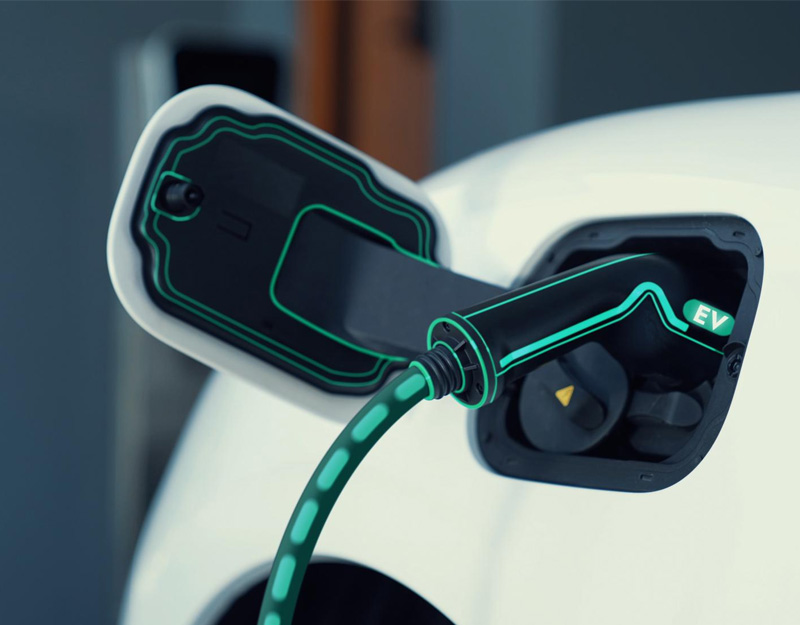
The experience of owning a modern electric vehicle is not complete without a charger that keeps pace with its level of advancement. A well-chosen charging solution helps reduce electricity costs while preserving battery lifespan. Selecting the best EV charger in Saudi Arabia is no longer just an optional upgrade that enhances convenience. It is a practical decision that protects your vehicle in the long term and ensures a seamless driving experience.
In today’s accelerating world, Smart home charging solutions have become increasingly important. These solutions support safe and efficient charging while adapting to different user needs, whether the vehicle is used for work, daily commuting, or long-distance travel. Keep reading this article to explore the best EV charger options available in 2026.
How to Choose the Best EV Charger for Your Home
Choosing the best EV charger begins with a clear understanding of your specific requirements. In addition to comparing prices and brands, several technical and practical factors should be considered:
- Power capacity and its impact on daily usage
Your daily usage pattern determines the charging capacity you need. A 7 kW charger is typically sufficient for overnight charging at home, ensuring your vehicle is ready for daily use. In contrast, a charger with a capacity of up to 22 kW is better suited for intensive use or households with more than one electric vehicle. It is also important to consider your home’s electrical meter capacity, as choosing a higher-capacity charger may require upgrading your electrical infrastructure.
- Ability to withstand Saudi climate conditions
Electrical equipment performs best in moderate temperatures. Given the climate conditions in Saudi Arabia, it is recommended to choose a charger equipped with internal cooling systems and built-in protection features. These elements help maintain consistent performance and prevent any negative impact on battery health.
- Compatibility with your vehicle and charging system
Most electric vehicles use a Type 2 connector, but there are variations that should be taken into account. Ensuring compatibility between the charger and your vehicle helps prevent power interruptions, unexpected disconnections, or reduced charging efficiency.
- Safety systems and home grid protection
High-quality EV chargers include integrated safety systems that ensure stable operation. These systems protect both the vehicle and the home’s electrical network from voltage fluctuations, excessive current, and overheating, reducing the risk of technical issues.
- Smart control and its impact on costs
Choose a charger that connects to a smart application, allowing you to schedule charging sessions, monitor energy consumption, and stop charging when needed. These features provide better control over electricity usage and help reduce long-term costs.
Selecting a charger that combines these factors ensures a safe, efficient, and balanced charging experience. For more detailed guidance on choosing the right EV charger for your needs, explore additional resources here.
Top 7 Home EV Chargers in Saudi Arabia for 2026
Here are some of the most widely used chargers when searching for a home EV charger in Saudi Arabia:
- Wallbox Pulsar Plus
- Tesla Wall Connector
- JuiceBox 40
- Zaptec Go
- Easee Home
- ABB Terra AC
- Schneider EVlink
Each of these chargers offers different features and advantages. Some are designed for simplicity and ease of use, while others provide advanced control and monitoring capabilities suited for business environments or heavy usage. Choosing the best EV charger depends on comparing these options based on your vehicle type and usage requirements.
Smart Charging Technologies: How to Reduce Electricity Costs
Selecting smart charging solutions plays a key role in managing electricity costs. The following practices can help optimize energy consumption:
- Scheduling charging based on actual usage times
Set your charger to operate during specific hours, such as nighttime, when demand on the electrical grid is lower. This approach helps maintain consistent energy usage without affecting your vehicle’s readiness.
- Accurate monitoring of energy consumption
Some chargers provide detailed reports on daily and monthly energy usage. This allows you to better understand your consumption patterns and adjust your charging habits accordingly.
- Smart load distribution within the home
Smart chargers are capable of balancing energy consumption within the home, preventing sudden power interruptions. This is particularly useful when multiple chargers are operating at the same time.
- Integration with solar energy systems
You can connect your charger to a home solar system, enabling you to charge your vehicle using clean energy while reducing reliance on the electrical grid and lowering overall costs.
Choosing the best EV charger is a long-term investment that helps reduce costs while improving efficiency. Smart charging solutions regulate energy flow, adjust temperature levels when needed, and support sustainable energy use.
Detailed Comparison: Technical Specifications and Prices for 2026
| Charger | Power (by model) | Features | Approximate Cost in Saudi Arabia |
| Wallbox Pulsar Plus | Up to 22 kW | Equipped with a smart app | Low |
| Tesla Wall Connector | Up to 11 kW | Tesla integration | Low |
| JuiceBox 40 | 9.6 kW | Wi-Fi connectivity | Medium |
| Zaptec Go | Up to 22 kW | Cloud control | High |
| Easee Home | Up to 22 kW | Advanced energy control | High |
| ABB Terra AC | Up to 22 kW | Enhanced protection | High |
| Schneider EVlink | Up to 22 kW | Reliability | Medium |
This comparison provides a practical overview that supports the process of selecting the most suitable EV charger based on daily usage needs and technical preferences.
Expert Tips Before Buying and Installing a Home Charger
The following practical steps can help simplify the process of selecting and installing the right charger:
- Check your home’s electrical infrastructure before purchasing
Make sure your electrical system can handle the charger’s capacity. Overlooking this step may result in recurring technical issues or the need for costly upgrades later.
- Choose a suitable installation location.
Install the charger in a shaded and well-ventilated area. Moderate temperatures help ensure consistent performance and protect the device over time.
- Rely on a qualified installation technician.
Working with a specialized installation provider ensures safe and efficient operation. Improper installation can lead to performance issues or electrical risks affecting both the vehicle and the home’s power system.
- Consider after-sales support
Reliable technical support can save time and effort if any issues arise. Specialized providers such as Current Power offer integrated solutions that include supply and installation, making the overall charging experience more convenient and reliable.
To conclude, choosing the best EV charger in Saudi Arabia plays an important role in shaping your overall electric vehicle experience. Carefully compare available options and select the one that best fits your usage and vehicle model. Current Power stands out as a trusted partner, offering tailored charging solutions designed to enhance performance and simplify your charging experience.
Contact Current Power to receive customized solutions that improve charging efficiency and deliver optimal performance for your electric vehicle.
Frequently Asked Questions
- What is the best EV charger for home use?
It depends on your usage pattern and your home’s electrical capacity.
- Can the charger handle Saudi Arabia’s heat?
Yes, as long as the charger is designed to operate efficiently in high-temperature environments.
- Do I need to upgrade my home electrical system?
In some cases, yes, especially when installing a high-capacity charger.
- How long does it take to charge an electric vehicle?
Typically, between 4 and 8 hours, depending on the charger’s capacity.
- Can one home charger be used for multiple vehicles?
Yes, if the charger supports load management, allowing energy to be distributed between multiple vehicles without affecting system stability.
- Does daily charging affect battery life?
Daily charging does not cause direct damage, but maintaining a charge level between 20% and 80% helps extend battery lifespan.
- Can the charger be installed outdoors?
Yes, most home chargers are designed for outdoor use. However, installing them in a shaded area is recommended to ensure stable performance over time.