
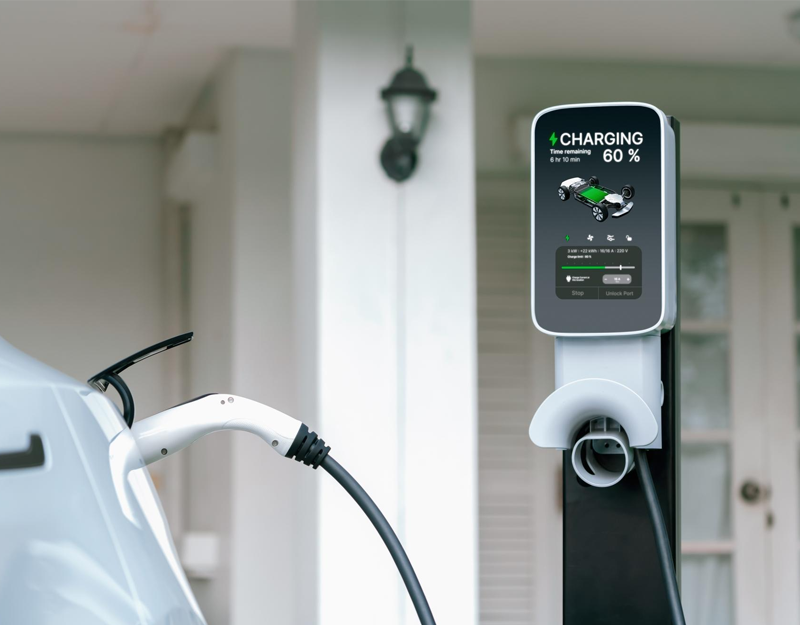
The electric vehicle sector experiences rapid growth, driven by increasing global focus on sustainability, reduced carbon emissions, and major advancements in battery technology and charging infrastructure across Saudi Arabia. As adoption expands, so does the need for a proper understanding of charging practices.
Despite the technological sophistication of modern EVs, many users unintentionally adopt habits that negatively affect battery lifespan, vehicle efficiency, and long-term operating costs. Most of these issues stem from misunderstandings about how EV batteries function or from relying on incorrect charging practices.
Through this guide, our experts at Current Power share the most common mistakes made during EV charging and how to avoid them. These practical insights are based on real-world experience and technical expertise to help you extend battery life and maximize performance.
1. Lack of knowledge in Fundamentals of EV Charging
A lack of awareness about how EV charging works is one of the leading causes of avoidable battery wear.
- Many drivers use electric vehicles the same way they treat traditional fuel-powered cars. However, EVs operate under entirely different energy management systems. Battery chemistry, charging cycles, and thermal management all influence long-term performance.
- Understanding the difference between slow charging, fast charging, and battery state management is essential. Every manufacturer provides guidelines showing optimal charging behavior. Reviewing the official user manual and recommended practices is not practices, it is fundamental to protecting your EV car.
- Periodic consultation with charging specialists can also help monitor performance trends and ensure your charging habits align with best practices.
2. Overreliance on Fast Charging
Fast charging is convenient. It saves time and makes long-distance travel easier. However, consistent dependence on fast charging gradually impacts battery health.
Frequent high-speed charging generates additional heat inside the battery cells. Over time, elevated temperatures accelerate internal chemical wear, reducing overall battery lifespan. While modern EVs are designed to manage thermal loads efficiently, excessive reliance on fast charging increases long-term strain.
- Charging experts recommend using slow or home charging for daily routines and reserving fast charging for long trips or urgent situations. A balanced approach significantly improves long-term battery performance.
It’s important to remember that convenience should never replace sustainability in charging habits.
3. Charging your EV car to 100% Too Frequently
- A common misconception is that fully charging your EV battery every time maximizes performance. In reality, maintaining a charge level between 20% and 80% is generally healthier for battery longevity.
- Repeatedly charging to 100% or allowing the battery to drop to near-zero before recharging places additional stress on battery cells. Over time, this reduces capacity retention and overall efficiency.
- Modern EV batteries are managed by refined battery management systems, unlike older consumer electronics that required full charge cycles. Adhering to manufacturing recommended charge ranges supports long-term durability and stable performance.
Think of the charging process as maintaining battery balance rather than maximizing charge level.
4. Using Incompatible or Uncertified Chargers
- Attempting to reduce costs by purchasing uncertified chargers or incompatible equipment can create serious technical risks.
- Not all charging systems are universally compatible. Voltage specifications, connector standards, and communication protocols vary. Using non-approved chargers may lead to slower charging speeds, voltage instability, or potential damage to integrated vehicle systems.
- Always select chargers approved by the manufacturer or certified providers. Reliable equipment ensures stable power delivery and protects your vehicle’s electrical system.
If you are uncertain about compatibility, consult our experts before installing or using new charging hardware.
5. Ignorance of Temperature Impact on Charging Efficiency
Environmental temperature significantly affects battery performance.
- Some EV owners underestimate how extreme heat or cold can influence charging efficiency and overall vehicle operation. High temperatures may increase battery stress, while very low temperatures can slow charging speed and temporarily reduce range.
- Charging in shaded or indoor locations helps maintain optimal conditions.
- Additionally, many modern EVs include smart thermal management systems designed to regulate battery temperature before, during, and after charging.
Activating these features improves efficiency and protects battery health in the long term.
6. Poor Planning During Long Trips
Anxiety about running out of power often leads to disorganized charging decisions during long journeys.
- Without proper planning, drivers may either delay charging too long or charge excessively at inconvenient locations. Both habits can reduce efficiency and create unnecessary stress.
- Digital applications now make it easy to locate nearby charging stations in real time. Planning your route, estimating driving distance, and identifying strategic charging stations in advance ensures a smoother travel experience.
- Recharge when the battery approaches 20% and avoid unnecessary full charges unless required for extended travel. Structured planning supports battery longevity and peace of mind.
- Organized charging behavior translates into better performance and reduced operating costs.
7. Ignoring Software Updates
- EV manufacturers regularly release system updates to improve battery optimization, charging efficiency, and overall performance.
- These updates often address known charging issues, refine energy flow management, and enhance thermal regulation systems. Ignoring software updates may result in missed improvements that protect battery health.
- Regularly installing system updates ensures your vehicle remains aligned with evolving technology standards.
- A well-maintained software environment supports safer, more efficient charging processes.
Advice from Electric car charging current power Experts
- Charging costs vary depending on station type, speed, geographic location, and vehicle model. Understanding these variables helps manage operational expenses more effectively.
- Compare home charging costs with commercial station rates and monitor promotional offers where available. Regularly review battery condition data to detect performance changes early.
- Consult specialists to analyze your charging patterns and optimize usage behavior. Structured evaluation of charging habits can extend battery lifespan and improve cost efficiency.
- Most charging mistakes are preventable. With proper awareness, reliable equipment, and balanced charging practices, electric vehicle owners can achieve safer, more economical, and longer-lasting performance.
In a nutshell, responsible charging is doable, it simply requires informed decisions and consistent habits. By understanding your vehicle’s needs and applying practical best practices, you protect your battery, reduce operating costs, and ensure a smoother driving experience. Smart charging today means reliable performance for years to come.
Frequently Asked Questions
1) Does daily charging reduce battery lifespan?
Modern battery management systems regulate charging to minimize stress. Following recommended practices, maintaining a charge between 20% and 80%, and avoiding frequent full cycles, helps preserve battery life.
2) What is the difference between home charging and fast charging, and which is better?
Home or slow charging is generally safer for daily use and reduces long-term battery wear. Fast charging is best reserved for long-distance travel or urgent situations. A balanced approach is ideal.
3) Can I charge my EV at any available charging station?
Always verify connector compatibility and station specifications before charging. Use your vehicle manual and trusted applications to confirm suitable stations. Incorrect charging equipment can impact electrical system performance.
Contact our experts to get a personalized solution for your EV car.